2025 vs. 2026: 8 Biggest Shifts in American Street Style
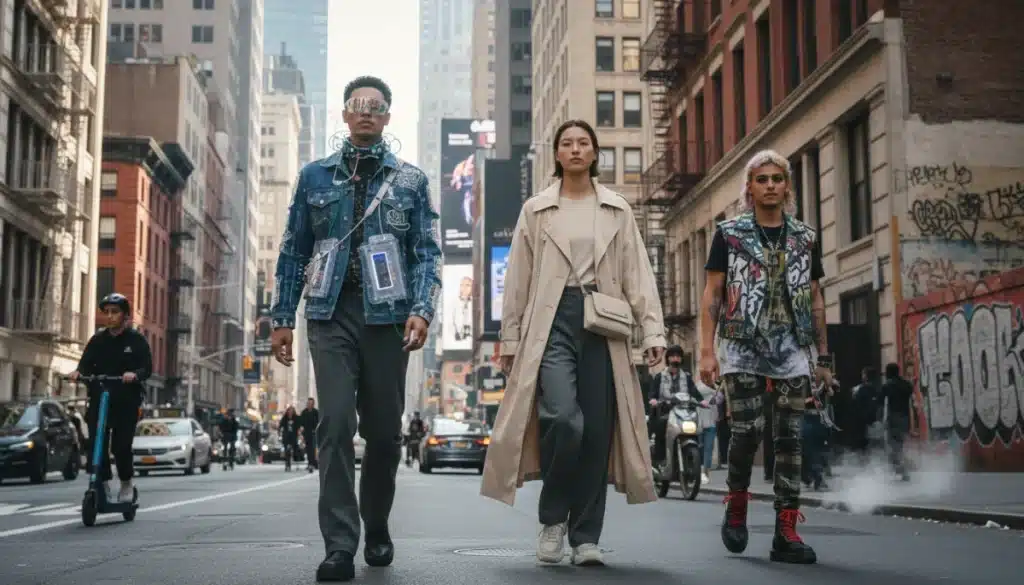
The American street style landscape is rapidly evolving between 2025 and 2026, marked by significant shifts towards sustainable practices and tech integration.
As we navigate the mid-2020s, the evolution of fashion is undeniable. This article will delve into American street style shifts, comparing 2025 to 2026, highlighting the eight most significant transformations you need to know. From sustainable choices to tech-infused apparel, prepare to redefine your wardrobe.
The Rise of Hyper-Personalization and Digital Identity
The fashion narrative is increasingly moving away from mass trends towards individual expression. In 2025, we saw the seeds of hyper-personalization, but by 2026, it has blossomed into a full-fledged movement where digital identity plays a crucial role in shaping physical style.
This shift is not just about custom-made clothing; it’s about how individuals curate their online personas and translate that into their everyday wear. Social media platforms and virtual realities are no longer just inspiration boards but active spaces where style is tested and refined before hitting the streets.
Avatar-Inspired Aesthetics
Advertisement
The influence of digital avatars and gaming culture is becoming more pronounced. People are drawing inspiration from their virtual selves, leading to unique and often fantastical elements in their street style.
- Gaming Gear Integration: Functional elements from gaming apparel, like utility pockets and ergonomic designs, are being incorporated into daily wear.
- Digital Fabric Prints: Patterns and textures mimicking digital glitches, pixelation, or abstract virtual landscapes are gaining popularity.
- Augmented Reality Filters: The aesthetics of AR filters are influencing makeup and accessory choices, creating a blurred line between the digital and physical.
The confluence of online and offline identities means that what you wear is a direct extension of your digital footprint. This trend emphasizes authenticity and self-expression, moving beyond traditional fashion norms to embrace a more fluid and dynamic approach to personal style.
Sustainability Takes Center Stage: Beyond Eco-Friendly
While sustainability was a buzzword in 2025, by 2026, it has become an intrinsic part of American street style, evolving beyond simple eco-friendly choices to embrace circularity and ethical production at its core.
Consumers are more informed and demanding transparency, pushing brands to adopt more responsible practices. This isn’t just about organic cotton anymore; it’s about the entire lifecycle of a garment, from sourcing to disposal.
The Upcycling and Repurposing Revolution
Upcycling has moved from niche to mainstream. Designers and individuals are creatively transforming existing garments and materials into new, unique pieces, reducing waste and fostering individuality.
- Deconstructed Denim: Old denim is being reimagined into new silhouettes, often with visible mending and patchwork.
- Vintage Remix: Classic vintage pieces are being updated with modern elements, creating one-of-a-kind items that tell a story.
- Material Innovation: The use of innovative materials derived from waste, such as mushroom leather or recycled plastics, is becoming more common and desirable.
This shift reflects a deeper consciousness about environmental impact and a desire for unique, ethically sourced clothing. The emphasis is on quality over quantity, with a growing appreciation for craftsmanship and longevity in fashion choices.
The Blurring of Gender Lines: Fluidity as the New Norm
The concept of gender-neutral fashion has been steadily gaining traction, but between 2025 and 2026, it has solidified its position as a dominant force in American street style. Traditional gendered clothing categories are increasingly becoming obsolete.
This evolution is driven by a broader societal shift towards inclusivity and self-acceptance, where individuals are encouraged to express themselves authentically, free from conventional constraints. Clothing is seen as a tool for personal expression, not a marker of gender.
Designers are responding by creating collections that are inherently fluid, focusing on silhouettes, fabrics, and colors that appeal to a wider audience. This includes oversized blazers, relaxed-fit trousers, and versatile separates that can be styled in numerous ways, regardless of the wearer’s gender identity.
The beauty of this trend lies in its ability to empower individuals to experiment and define their own style without limitations. It’s about comfort, confidence, and breaking down outdated fashion barriers, fostering a more diverse and accepting sartorial landscape.
Tech-Infused Apparel: Functionality Meets Futurism
The integration of technology into everyday clothing has moved beyond mere novelty. In 2026, tech-infused apparel is becoming a practical and stylish component of American street style, offering enhanced functionality and a futuristic aesthetic.
From smart fabrics that adapt to temperature changes to garments with integrated connectivity, technology is no longer just an accessory but an integral part of the clothing itself. This trend is driven by a desire for convenience, performance, and a touch of innovation in daily wear.
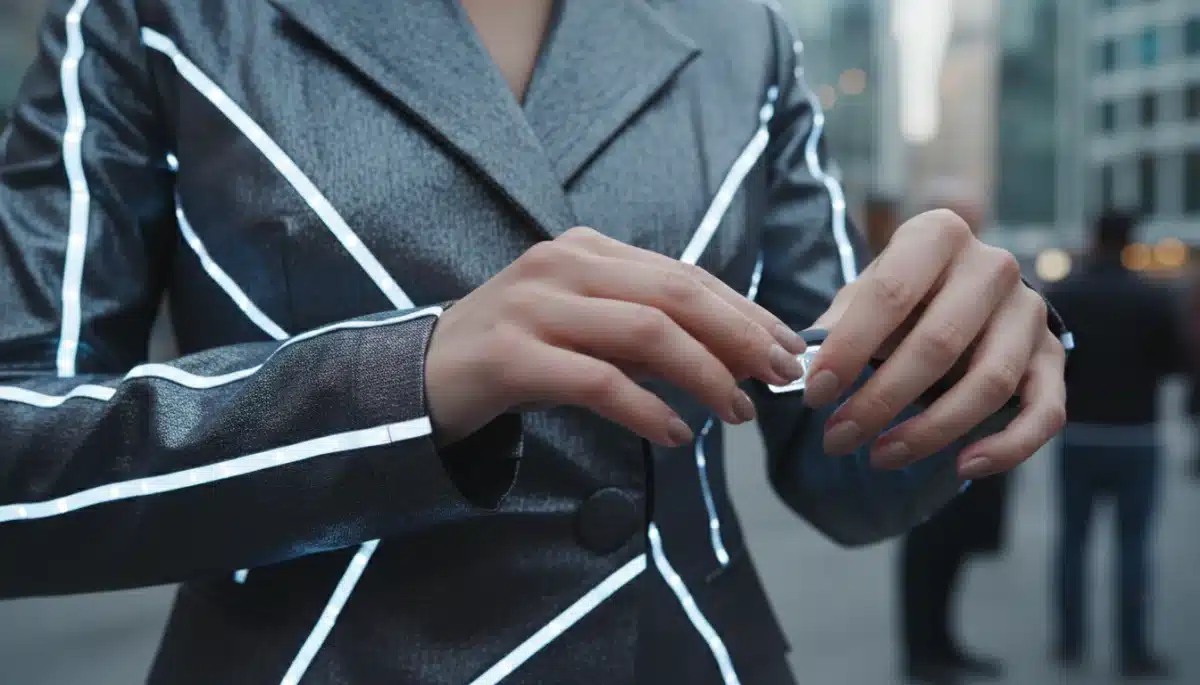
Wearable Tech Beyond Gadgets
The focus has shifted from external gadgets to seamlessly integrated technology within the fabric and design of clothing. This makes tech-wear more subtle, comfortable, and aesthetically pleasing.
- Temperature-Regulating Fabrics: Materials that can actively cool or warm the wearer based on environmental conditions are becoming more common.
- Integrated Lighting: Subtle LED elements woven into garments for safety, visibility, or aesthetic appeal are gaining traction.
- Smart Pockets and Connectivity: Pockets designed to wirelessly charge devices or fabrics with embedded sensors for health monitoring are emerging.
This fusion of fashion and technology represents a significant leap forward, offering not just style but also practical benefits that enhance daily life. It’s about clothing that works smarter, not just looks good.
The Revival of Y2K and 90s Aesthetics with a Modern Twist
While Y2K and 90s fashion have been making comebacks for a few years, by 2026, their influence on American street style has evolved. It’s no longer a direct replication but a sophisticated reinterpretation, blending nostalgic elements with contemporary sensibilities.
This revival is characterized by a selective adoption of key silhouettes, patterns, and accessories from these decades, infused with modern fabrics, sustainable practices, and a more refined approach to styling. The goal is to evoke a sense of nostalgia without appearing dated.
Key Elements Reimagined
Certain iconic pieces are making a strong return, but with updated details that make them feel fresh and relevant for today’s fashion landscape.
- Low-Rise Trousers 2.0: Reappearing with more tailored cuts and elevated fabrics, moving beyond their ultra-casual origins.
- Minimalist Slip Dresses: Now often layered over or under other garments, offering versatility and a modern edge.
- Chunky Footwear Evolution: Platform shoes and sneakers remain popular, but with more ergonomic designs and sustainable materials.
This trend highlights fashion’s cyclical nature, demonstrating how past styles can be continuously reinvented to reflect current values and aesthetics. It’s a playful yet thoughtful nod to previous eras, proving that good design is timeless when recontextualized.
The Influence of Global Cultures and Hybrid Styles
American street style in 2026 is more globalized than ever, with a significant influence from diverse cultures around the world. This leads to the emergence of fascinating hybrid styles that blend traditional elements with contemporary Western fashion.
Thanks to increased global connectivity and cultural exchange, designers and fashion enthusiasts are drawing inspiration from a wider array of sources. This results in a rich tapestry of styles that celebrate diversity and cross-cultural dialogue.
We see traditional textiles from Asia, intricate embroidery from Latin America, and bold patterns from Africa seamlessly integrated into everyday American outfits. This isn’t about appropriation but appreciation and respectful fusion, creating unique looks that reflect a globalized world.
This trend encourages experimentation and a deeper understanding of different sartorial traditions. It promotes a more inclusive fashion landscape where cultural narratives are shared and celebrated through clothing, leading to truly original and meaningful expressions of style.
The Rise of Comfort-Centric Utility Wear
The post-pandemic emphasis on comfort has solidified its place in American street style, evolving into a sophisticated form of utility wear by 2026. This trend combines practical, functional elements with relaxed silhouettes and high-quality fabrics, proving that comfort doesn’t have to sacrifice style.
This isn’t merely about athleisure; it’s about clothing designed for everyday life that prioritizes ease of movement, durability, and versatility. Think elevated workwear, refined outdoor gear, and performance-driven casual wear.
Key Characteristics of Comfort-Centric Utility
This style is defined by its thoughtful design, focusing on practical details that enhance the wearer’s experience.
- Multi-Functional Pockets: Strategically placed and designed to carry essentials without adding bulk.
- Durable, Breathable Fabrics: Materials like ripstop cotton, technical nylons, and high-performance blends that offer both comfort and longevity.
- Adjustable Features: Drawstrings, elastic waistbands, and adjustable cuffs that allow for a customized fit and adaptable styling.
The appeal of comfort-centric utility wear lies in its practicality and understated elegance. It caters to a lifestyle that values both functionality and aesthetics, offering a polished yet relaxed look perfect for the dynamic demands of modern life.
The Return of Maximalism and Expressive Accessories
While minimalism held sway for a period, 2026 marks a decisive return to maximalism in American street style, particularly concerning accessories. This isn’t about clutter but about intentional, bold self-expression through statement pieces.
People are embracing vibrant colors, exaggerated proportions, and an eclectic mix of textures and materials. Accessories are no longer subtle additions but central elements that define an outfit and showcase personal flair.
Think oversized jewelry, elaborate headwear, layered bags, and statement footwear. The trend encourages mixing and matching, breaking traditional fashion rules, and creating looks that are visually striking and undeniably unique. It’s a celebration of individuality and a rejection of conformity, inviting wearers to play with fashion as a form of art.
| Key Shift | Brief Description |
|---|---|
| Hyper-Personalization | Digital identity heavily influences unique physical style choices. |
| Sustainability Focus | Beyond eco-friendly to circularity, upcycling, and ethical production. |
| Gender Fluidity | Traditional gendered clothing categories become increasingly obsolete. |
| Tech-Infused Apparel | Seamless integration of technology for functionality and futuristic aesthetics. |
Frequently Asked Questions About 2026 Street Style
Sustainability in 2026 street style goes beyond eco-friendly materials, focusing heavily on circularity, upcycling, and ethical production. Consumers prioritize transparency, leading to a demand for unique, repurposed garments and innovative waste-derived materials, making conscious consumption a core fashion value.
Technology is seamlessly integrated into apparel, offering enhanced functionality and futuristic aesthetics. This includes smart fabrics that regulate temperature, garments with integrated lighting, and clothing with embedded sensors for health monitoring. It’s about practical innovation that elevates daily wear.
Yes, gender-neutral fashion is more relevant than ever in 2026, solidifying its place as a dominant force. Traditional gendered clothing categories are increasingly obsolete, with designers focusing on fluid silhouettes and versatile pieces that empower individuals to express themselves authentically, free from conventional constraints.
Hyper-personalization in 2026 is deeply intertwined with digital identity. Individuals curate their online personas, drawing inspiration from avatars and gaming culture, and translating these into unique physical styles. This creates a blurred line between digital and physical fashion, emphasizing authentic self-expression.
The Y2K and 90s aesthetics are reinterpreted in 2026, not merely replicated. Iconic pieces like low-rise trousers and slip dresses return with modern cuts, elevated fabrics, and sustainable updates. This sophisticated blend of nostalgia and contemporary sensibilities showcases fashion’s cyclical nature and timeless design.
Conclusion
The landscape of American street style is undergoing a profound transformation between 2025 and 2026. From the deep integration of sustainability and technology to the fluid boundaries of gender and the celebration of global influences, fashion is becoming more personal, conscious, and expressive. These shifts reflect a dynamic cultural evolution, inviting everyone to embrace individuality and innovation in their sartorial choices. Staying informed about these trends allows us to not only adapt our wardrobes but also appreciate the broader societal currents shaping our everyday style.
