Digital Fashion’s Rise: 4 Technologies Transforming American Style by 2026
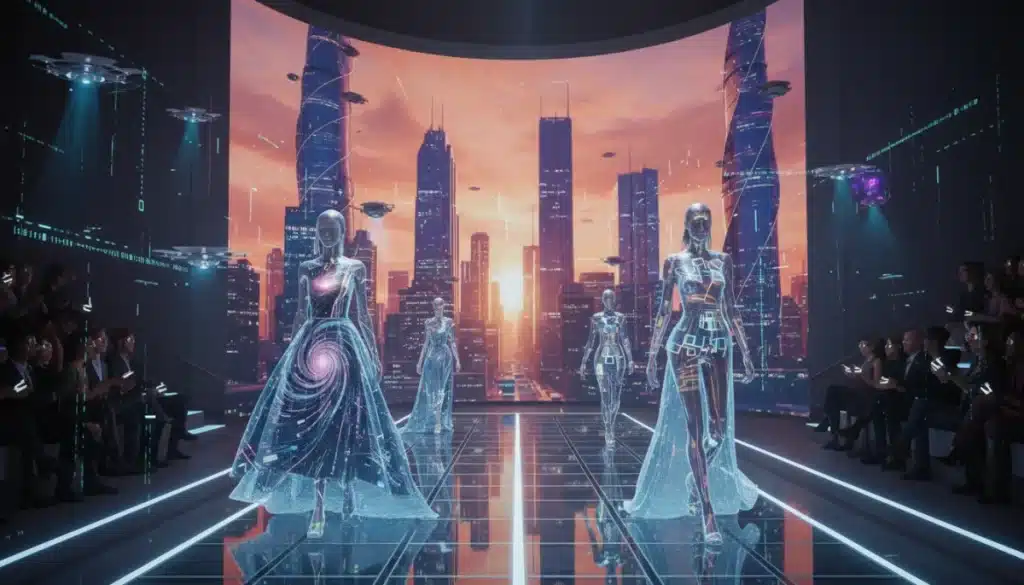
The rise of digital fashion is rapidly transforming American style by 2026, primarily through the integration of four innovative technologies: 3D design, augmented reality, artificial intelligence, and blockchain, which are revolutionizing how clothing is created, presented, and consumed.
The fashion landscape is undergoing an unprecedented metamorphosis, and at the forefront of this revolution is the undeniable rise of digital fashion transformation. By 2026, American style will be irrevocably reshaped by a quartet of groundbreaking technologies that are not merely enhancing existing processes but fundamentally redefining them. This isn’t just about aesthetics; it’s about efficiency, sustainability, and an entirely new paradigm for consumer engagement. Prepare to witness a future where the lines between the physical and virtual blur, creating an exhilarating new chapter in the story of style.
The Dawn of 3D Digital Garment Design and Prototyping
The journey of a garment, from initial sketch to final product, has historically been a labor-intensive and resource-heavy process. However, 3D digital garment design and prototyping are dramatically streamlining this pipeline, offering designers unparalleled flexibility and speed. This technology allows for the creation of hyper-realistic virtual samples, eliminating the need for multiple physical prototypes.
Designers can now experiment with various fabrics, textures, and silhouettes in a digital environment, visualizing how garments will drape and move without cutting a single piece of cloth. This not only significantly reduces material waste and production costs but also accelerates the design cycle, enabling brands to respond more quickly to evolving trends. The ability to iterate rapidly in a virtual space means that innovative concepts can go from idea to market much faster, fostering a culture of continuous creativity.
Enhanced Collaboration and Efficiency
One of the most significant benefits of 3D design software is its capacity to foster seamless collaboration across design teams, regardless of their geographical locations. Designers, pattern makers, and merchandisers can all work on the same digital file simultaneously, making real-time adjustments and sharing feedback instantly. This eliminates many of the communication bottlenecks that traditionally plagued the fashion industry.
- Reduced Sample Production: Drastically cuts down on the number of physical samples needed, saving time and resources.
- Faster Iteration Cycles: Enables quick modifications and approvals, speeding up time-to-market.
- Improved Fit and Draping: Advanced simulations provide accurate representations of how fabrics will behave on the body.
- Cost Savings: Lowers expenses associated with materials, shipping, and labor for physical prototypes.
Advertisement
Ultimately, 3D digital garment design is not just a tool; it’s a paradigm shift that empowers designers to be more creative, efficient, and sustainable. It’s building the foundational layer for much of the digital fashion revolution, ensuring that the garments we see in virtual spaces are as meticulously crafted as their physical counterparts. This technological leap is setting new standards for how fashion is conceptualized and brought to life in the American market.
Augmented Reality (AR): Revolutionizing the Shopping Experience
Augmented Reality (AR) is perhaps the most consumer-facing technology driving the digital fashion revolution, transforming how individuals interact with clothing before making a purchase. AR allows users to virtually try on garments, accessories, and even makeup using their smartphones or other devices, blending digital elements seamlessly into their real-world environment. This innovation addresses a critical challenge in online shopping: the inability to physically interact with products.
For American consumers, AR means an end to guesswork when buying clothes online. Imagine standing in your living room, holding up your phone, and seeing a new dress or jacket appear on your body, complete with realistic draping and fit. This immersive experience significantly reduces return rates, as shoppers can make more informed decisions about size, style, and how an item complements their existing wardrobe. It’s a game-changer for both convenience and confidence in purchasing.

Virtual Try-On and Interactive Showrooms
Beyond individual try-ons, AR is also creating entirely new retail experiences. Virtual showrooms allow brands to showcase their collections in dynamic, interactive ways, engaging customers in novel environments that transcend physical limitations. Shoppers can explore virtual pop-up stores, attend digital fashion shows, and even customize garments in real-time, all from the comfort of their homes.
- Enhanced Customer Confidence: Reduces uncertainty about fit and appearance, leading to higher satisfaction.
- Reduced Returns: More informed purchases translate directly into fewer product returns for retailers.
- Immersive Brand Engagement: Offers novel ways for brands to connect with consumers and present collections.
- Personalized Shopping: Tailors the shopping experience to individual preferences and body types.
AR is not just a novelty; it’s becoming an essential tool for brands looking to stay competitive in a rapidly digitizing market. By offering a richer, more interactive shopping journey, AR is poised to become a standard feature in American fashion retail, making online shopping as engaging, if not more so, than its traditional brick-and-mortar counterpart. The convenience and personalization it offers are simply too compelling to ignore.
Artificial Intelligence (AI): Personalization and Trend Prediction
Artificial Intelligence (AI) is the unseen engine powering much of the digital fashion revolution, working behind the scenes to optimize everything from trend forecasting to personalized recommendations. In a market as diverse and dynamic as American style, understanding consumer preferences and predicting future trends is paramount. AI excels at processing vast amounts of data, identifying patterns, and making predictions with a level of accuracy that human analysts simply cannot match.
For fashion brands, AI can analyze social media trends, sales data, runway shows, and even news cycles to anticipate what styles will be popular next. This allows for more strategic inventory management, reducing overproduction and waste. For consumers, AI translates into highly personalized shopping experiences. Recommendation engines suggest garments based on past purchases, browsing history, and even body shape, ensuring that shoppers are presented with items they are more likely to love.
Optimizing Design and Supply Chains
AI’s impact extends beyond just consumer-facing applications. It is also being used to optimize various stages of the fashion supply chain. From identifying the most efficient manufacturing processes to predicting demand for specific products, AI helps brands make smarter, more sustainable decisions. This proactive approach minimizes environmental impact by reducing excess inventory and streamlining production.
- Accurate Trend Forecasting: Helps brands stay ahead of the curve, producing styles that resonate with consumers.
- Hyper-Personalized Recommendations: Enhances the shopping experience by suggesting highly relevant products.
- Efficient Inventory Management: Reduces waste and overproduction through data-driven demand prediction.
- Automated Customer Service: AI-powered chatbots provide instant support, improving customer satisfaction.
The integration of AI into digital fashion is creating a more intelligent and responsive industry. It’s enabling brands to operate with greater precision and sustainability, while simultaneously delivering a more tailored and satisfying experience for the American consumer. As AI continues to evolve, its influence on how we design, produce, and consume fashion will only deepen, making it an indispensable component of the industry’s future.
Blockchain Technology: Ensuring Authenticity and Sustainability
Blockchain technology, often associated with cryptocurrencies, is emerging as a powerful tool for addressing critical issues within the fashion industry: authenticity, transparency, and sustainability. In an age where consumers are increasingly concerned about the provenance of their purchases and the ethical practices of brands, blockchain provides an immutable, decentralized ledger to track a garment’s entire lifecycle.
For American consumers, this means newfound trust in the products they buy. By scanning a QR code or NFC tag on a garment, shoppers can access a complete history of that item, from its raw materials and manufacturing location to its journey through the supply chain. This level of transparency combats counterfeiting, a persistent problem in the luxury market, and empowers consumers to make ethical choices by verifying sustainability claims.
Supply Chain Transparency and Ethical Sourcing
Blockchain’s ability to create a transparent and tamper-proof record is invaluable for brands committed to ethical sourcing and sustainable practices. It allows them to verify the origins of materials, ensure fair labor practices at every stage of production, and track environmental impact. This accountability not only builds consumer trust but also helps brands identify and rectify inefficiencies or unethical practices within their supply chains.
- Combats Counterfeiting: Provides verifiable proof of authenticity for luxury and designer goods.
- Ensures Ethical Sourcing: Tracks raw materials and labor conditions throughout the supply chain.
- Verifies Sustainability Claims: Offers transparent data on environmental impact and production practices.
- Empowers Consumers: Gives shoppers the information needed to make informed and responsible purchasing decisions.
The application of blockchain technology in digital fashion is ushering in an era of unprecedented transparency and accountability. It’s helping to build a more trustworthy and sustainable fashion ecosystem, allowing American consumers to buy with confidence and supporting brands that prioritize ethical practices. As the demand for responsible consumption grows, blockchain will undoubtedly play a pivotal role in shaping the future of fashion.
The Metaverse and Digital Collectibles: New Frontiers for Style
The concept of the metaverse, a persistent, interconnected virtual world, is opening up entirely new frontiers for digital fashion. Within these immersive digital spaces, avatars become extensions of our real-world identities, and just as we adorn ourselves in physical life, we will seek to express ourselves through digital garments and accessories. This is where digital collectibles, often powered by NFTs (Non-Fungible Tokens), come into play, offering ownership and scarcity for virtual fashion items.
For American consumers, the metaverse presents an exciting new avenue for self-expression, allowing them to experiment with styles that might be impractical or impossible in the physical world. Imagine wearing a dress made of pure light or a suit that changes color with your mood, all within a vibrant digital community. Brands are already venturing into this space, creating exclusive digital collections and experiences that blur the lines between gaming, social media, and high fashion, capturing the attention of a tech-savvy generation.
Digital Identity and Economic Opportunities
Digital fashion in the metaverse is not just about aesthetics; it’s also about digital identity and creating new economic opportunities. Owning unique digital garments as NFTs provides verifiable proof of ownership and opens up possibilities for trading, selling, and even lending these virtual assets. This creates a secondary market for digital fashion, mirroring aspects of the physical luxury resale market.
- Unrestricted Self-Expression: Allows for creative freedom beyond physical limitations in virtual worlds.
- Exclusive Digital Ownership: NFTs provide verifiable proof of ownership for rare virtual items.
- New Revenue Streams: Brands can create and sell digital-only collections, tapping into new markets.
- Community Building: Fosters engagement within virtual communities centered around shared fashion interests.
The metaverse and digital collectibles are still in their nascent stages, but their potential to redefine fashion is immense. They represent a shift towards a more experiential and interactive form of style, where creativity knows no bounds and digital identity holds significant value. As these virtual worlds become more sophisticated and widely adopted, digital fashion will undoubtedly become an integral part of how Americans express themselves in the coming years.
Sustainable Practices Through Digital Innovation
Beyond the immediate aesthetic and commercial benefits, the rise of digital fashion transformation offers profound opportunities for sustainability, a crucial concern for the modern American consumer and the planet. Traditional fashion production is notoriously resource-intensive, contributing significantly to pollution and waste. Digital innovations provide pathways to mitigate these impacts, fostering a more environmentally conscious industry.
The ability to create and iterate designs entirely in 3D, as discussed earlier, dramatically reduces the need for physical samples, thereby cutting down on fabric waste, water usage, and chemical dyes. Furthermore, virtual fashion shows and digital marketing campaigns eliminate the carbon footprint associated with physical events and large-scale photo shoots. These changes are not incremental; they represent a fundamental shift towards a circular and more responsible fashion ecosystem, aligning with the growing demand for eco-friendly products.
Reduced Waste and Ethical Production
Digital fashion inherently promotes a reduction in waste by minimizing physical production. Brands can test market demand for digital garments before committing to physical manufacturing, producing only what is truly desired. This ‘on-demand’ or ‘made-to-order’ model, facilitated by digital tools, drastically curtails overproduction, a major contributor to textile waste in landfills. Moreover, the transparency offered by blockchain technology ensures that sustainable and ethical practices are not just claims but verifiable realities.
- Minimized Physical Waste: Less reliance on physical samples and overproduction leads to significant waste reduction.
- Lower Carbon Footprint: Digital processes reduce emissions from manufacturing, transport, and events.
- Resource Conservation: Less water, energy, and raw materials are consumed throughout the design and production cycle.
- Circular Economy Promotion: Digital tools facilitate more sustainable design, production, and consumption patterns.
Ultimately, digital innovation is not just about making fashion more futuristic; it’s about making it more responsible. By leveraging these technologies, the American fashion industry can move towards a future where style and sustainability are not mutually exclusive but deeply intertwined. This commitment to greener practices will not only benefit the environment but also resonate strongly with an increasingly eco-conscious consumer base, shaping purchasing decisions for years to come.
| Key Technology | Impact on American Style by 2026 |
|---|---|
| 3D Design | Streamlines garment creation, reduces waste, and accelerates design cycles for faster trend adoption. |
| Augmented Reality (AR) | Revolutionizes online shopping with virtual try-ons, enhancing confidence and reducing returns. |
| Artificial Intelligence (AI) | Enables hyper-personalization, accurate trend prediction, and optimized supply chain management. |
| Blockchain | Ensures authenticity, transparency, and traceability for ethical and sustainable fashion practices. |
Frequently Asked Questions About Digital Fashion
Digital fashion refers to clothing and accessories created using 3D design software, existing solely in virtual environments. It can be worn by avatars in games or metaverses, virtually tried on using AR, or even used in digital content creation like social media posts, offering new forms of expression.
Digital fashion significantly reduces environmental impact by minimizing the need for physical samples, raw materials, and water in the design phase. It also combats overproduction by allowing brands to test demand virtually, leading to less textile waste and a lower carbon footprint.
While digital fashion is rapidly growing, it is unlikely to entirely replace physical clothing. Instead, it is expected to complement it, offering new avenues for self-expression, virtual experiences, and sustainable practices. The two realms will likely coexist and influence each other.
NFTs (Non-Fungible Tokens) provide verifiable ownership for unique digital fashion items. This allows for scarcity, authenticity, and the ability to trade or sell digital garments in virtual marketplaces, creating a new economic model for virtual apparel and collectibles.
AI analyzes vast consumer data to provide highly personalized recommendations, predict upcoming trends, and optimize inventory. This leads to tailored shopping experiences, reduces guesswork for consumers, and helps brands produce more efficiently, minimizing waste and maximizing relevance.
Conclusion
The digital transformation sweeping through the fashion industry is more than just a passing trend; it’s a fundamental reshaping of how American style will evolve by 2026 and beyond. From the precision of 3D garment design and the immersive realism of augmented reality to the intelligent insights of artificial intelligence and the transparent trust of blockchain, these technologies are converging to create an industry that is more efficient, sustainable, and intimately connected with its consumers. As these innovations become increasingly sophisticated and integrated, they promise a future where fashion is not only about what we wear but also how we experience, create, and interact with style in both the physical and virtual realms. The journey into this digital frontier is just beginning, and its impact on our sartorial landscape will be profound and lasting.
