Consumer Shift: 60% US Shoppers Embrace Sustainable Brands by 2026
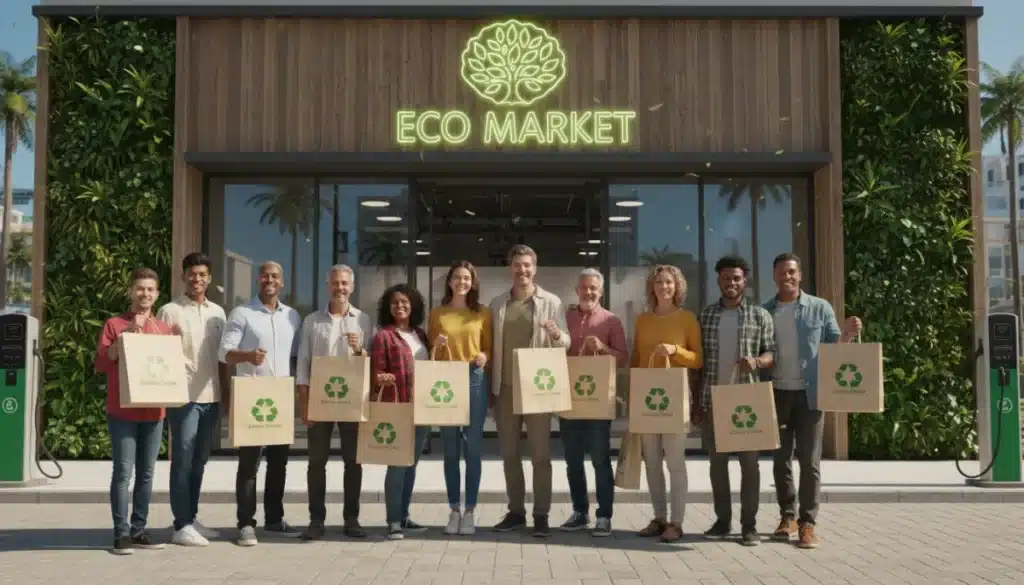
By 2026, 60% of U.S. shoppers are expected to prioritize sustainable brands, driven by growing environmental awareness and a demand for ethical business practices.
The landscape of consumer behavior is undergoing a profound transformation. A recent consumer shift alert: why 60% of U.S. shoppers are embracing sustainable brands in 2026 signals a monumental change in purchasing priorities, driven by an increasing awareness of environmental and social impacts.
The Rising Tide of Eco-Consciousness
The past decade has seen a steady increase in environmental awareness, moving from niche concern to mainstream priority. Consumers are no longer just looking at price and quality; they are scrutinizing the entire lifecycle of a product, from sourcing to disposal. This heightened eco-consciousness is a primary driver behind the surge in demand for sustainable products and brands.
This shift isn’t merely a fleeting trend; it represents a fundamental change in values. Shoppers are increasingly connecting their purchasing power to broader global issues, seeking to make a positive impact through their choices. Brands that fail to acknowledge and adapt to this evolving mindset risk being left behind in a rapidly changing market.
Generational Influence on Sustainable Choices
Advertisement
Younger generations, particularly millennials and Gen Z, are at the forefront of this movement. Having grown up with climate change as a constant backdrop, their commitment to sustainability is deeply ingrained. They are vocal advocates for ethical practices and are willing to pay a premium for products that align with their values.
- Millennials: Often seen as the bridge generation, they actively seek out brands with transparent sustainability practices.
- Gen Z: Digital natives who research extensively, they demand authenticity and hold brands accountable for their environmental claims.
- Gen Alpha: Still young, but their future purchasing habits will be heavily influenced by the sustainable values instilled by their parents.
The collective influence of these demographic groups is undeniable, pushing companies to rethink their production methods, supply chains, and overall business ethics. Their purchasing decisions are shaping the future of retail, making sustainability a non-negotiable aspect of brand appeal.
Transparency and Trust: The New Brand Currency
In an age of information, consumers demand transparency from the brands they support. They want to know where products come from, how they are made, and what impact they have on the planet and its people. This desire for openness is directly linked to building trust, which has become an invaluable asset for businesses.
Brands that are open about their supply chains, environmental footprint, and labor practices are gaining a significant competitive edge. Conversely, companies that are opaque or engage in ‘greenwashing’ – making unsubstantiated environmental claims – face severe backlash and loss of consumer loyalty. Trust is no longer a given; it must be earned through consistent, verifiable action.
Ethical Sourcing and Production
Consumers are increasingly aware of the social and environmental implications of global supply chains. They are looking for assurances that products are sourced ethically, without exploitation of labor or destruction of natural habitats. This includes everything from fair wages for workers to sustainable agricultural practices.
- Fair Trade Certifications: Provide assurance that products meet specific ethical and environmental standards.
- Sustainable Materials: Demand for recycled, organic, and biodegradable materials is surging across industries.
- Reduced Waste: Consumers prefer brands committed to minimizing waste in production and packaging.
The commitment to ethical sourcing and production extends beyond raw materials to the entire manufacturing process. Brands that invest in renewable energy, reduce water consumption, and implement circular economy principles are resonating strongly with the modern consumer.
The Economic Imperative of Sustainability
While often viewed through an ethical lens, sustainability also presents a compelling economic case for businesses. Investing in sustainable practices can lead to cost savings, increased brand value, and access to new markets. The perception that sustainability is a costly endeavor is being replaced by the understanding that it is a smart long-term investment.
Companies that proactively embrace sustainability can mitigate regulatory risks, attract top talent, and build stronger relationships with stakeholders. Moreover, the growing consumer demand for sustainable products translates directly into increased sales and market share for responsible brands. This makes sustainability not just a moral choice, but a strategic business imperative.
Innovation and Competitive Advantage
The drive for sustainability is fostering innovation across various sectors. Companies are developing new materials, technologies, and business models that are both eco-friendly and economically viable. This innovation can lead to significant competitive advantages, setting pioneering brands apart from their traditional counterparts.
- New Product Development: Focus on eco-design, durability, and end-of-life considerations.
- Process Optimization: Implementing energy-efficient manufacturing and waste reduction strategies.
- Circular Economy Models: Shifting from linear ‘take-make-dispose’ to ‘reduce-reuse-recycle’ systems.
By investing in sustainable innovation, businesses can not only meet consumer demand but also create new opportunities for growth and differentiation. This forward-thinking approach positions them as leaders in a rapidly evolving market.
Policy and Regulatory Landscape
Government policies and regulations are playing an increasingly significant role in shaping the sustainable market. From carbon taxes to stricter waste management rules, legislative actions are pushing businesses towards more environmentally responsible practices. These policies often reflect public sentiment and amplify the consumer demand for sustainability.
Businesses must stay abreast of evolving regulations to ensure compliance and avoid penalties. Furthermore, proactive engagement with policymakers can help shape future legislation, creating a more favorable environment for sustainable business models. The interplay between consumer demand, corporate action, and government policy creates a powerful force for change.
Global Agreements and Local Impact
International agreements, such as the Paris Agreement, set broad sustainability goals that influence national and local policies. While these agreements are global in scope, their impact trickles down to individual businesses and consumers, encouraging more sustainable behaviors and choices.
- Carbon Emission Targets: Drive companies to reduce their carbon footprint.
- Waste Reduction Mandates: Encourage recycling, composting, and product redesign.
- Sustainable Development Goals (SDGs): Provide a framework for businesses to align their strategies with global sustainability objectives.
The convergence of global directives and local implementation creates a robust framework for fostering a more sustainable economy. Businesses that anticipate and adapt to these policy shifts are better positioned for long-term success.
The Power of Information and Digital Platforms
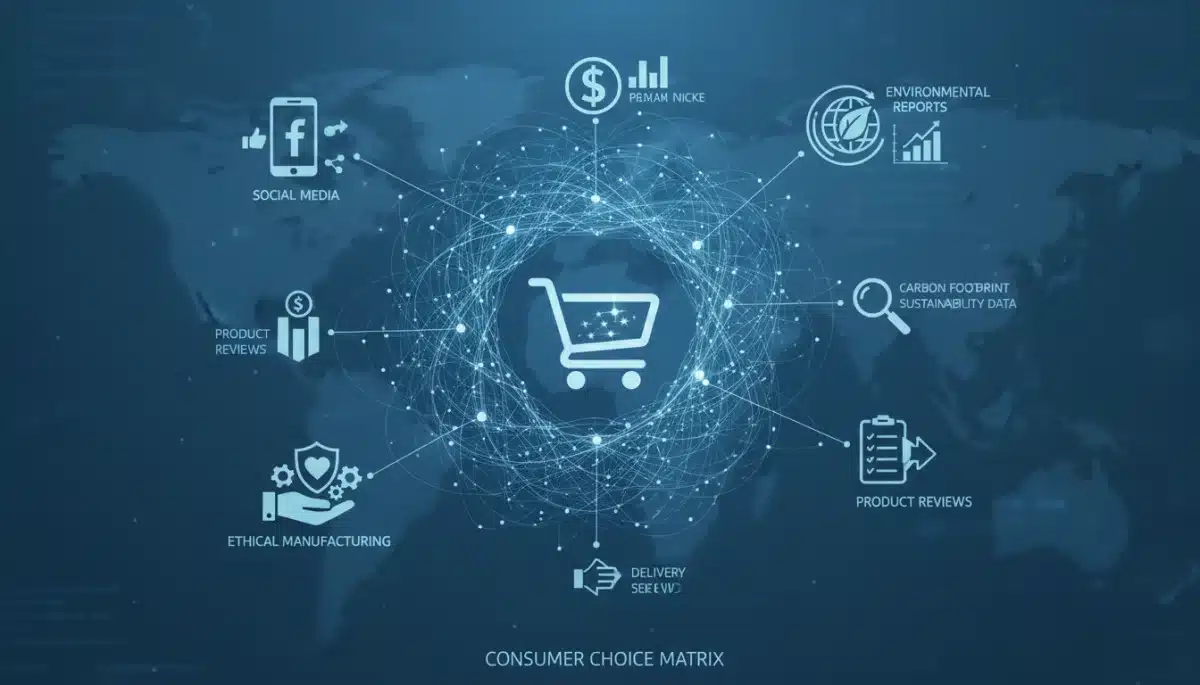
The digital age has revolutionized how consumers access information and make purchasing decisions. Social media, online reviews, and dedicated sustainability apps empower shoppers to research brands, compare products, and share their experiences. This unprecedented access to information amplifies the impact of consumer choices and holds brands to a higher standard.
Online platforms also provide a powerful avenue for advocacy, allowing consumers to collectively voice their demands for more sustainable options. This digital activism can quickly influence public opinion and pressure companies to adopt better practices. The informed consumer is a powerful force, driving change through their digital interactions.
Influencer Marketing and Social Proof
Social media influencers play a significant role in shaping consumer perceptions of sustainable brands. When trusted personalities endorse eco-friendly products, it can significantly boost their appeal and credibility. This form of social proof is highly effective in reaching and persuading target audiences.
- Authentic Endorsements: Consumers seek genuine recommendations from influencers who truly embody sustainable values.
- Educational Content: Influencers often educate their followers on the benefits of sustainable living and ethical consumption.
- Community Building: Digital platforms foster communities around shared sustainable interests, reinforcing eco-conscious behaviors.
The combination of accessible information and influential digital voices creates a dynamic environment where sustainable brands can thrive. Leveraging these platforms effectively is crucial for reaching the modern, eco-conscious consumer.
Challenges and Opportunities for Businesses
While the shift towards sustainable consumption presents immense opportunities, it also comes with challenges. Businesses must navigate complex supply chains, invest in new technologies, and effectively communicate their sustainability efforts without resorting to greenwashing. The path to true sustainability requires commitment and continuous improvement.
However, for companies willing to embrace these challenges, the rewards are substantial. Beyond increased sales and brand loyalty, sustainable practices can lead to greater operational efficiency, reduced environmental impact, and a more resilient business model. The future belongs to brands that integrate sustainability into their core strategy.
Overcoming Barriers to Adoption
Despite growing consumer interest, barriers to widespread sustainable product adoption still exist. These include perceived higher costs, lack of awareness, and skepticism about product efficacy. Businesses must address these concerns head-on to accelerate the transition.
- Affordability: Developing cost-effective sustainable solutions to make them accessible to a broader market.
- Education: Informing consumers about the benefits and performance of sustainable products.
- Certification and Standards: Providing clear, verifiable proof of sustainability claims to build trust.
By proactively tackling these barriers, businesses can unlock the full potential of the sustainable market. This involves a collaborative effort across industries, government, and consumer groups to foster a truly sustainable economy.
| Key Trend | Brief Description |
|---|---|
| Eco-Consciousness | Growing consumer awareness of environmental impact drives demand for sustainable products. |
| Transparency Demand | Shoppers seek open information on sourcing, production, and ethical practices. |
| Generational Influence | Millennials and Gen Z are leading the charge for sustainable consumption. |
| Economic Benefits | Sustainability offers cost savings, brand value, and competitive advantage. |
Frequently Asked Questions About Sustainable Consumerism
To the average U.S. consumer, a ‘sustainable brand’ typically signifies a company committed to minimizing its environmental footprint and ensuring ethical social practices. This includes using eco-friendly materials, reducing waste, fair labor, and transparent operations throughout its supply chain. Consumers often look for certifications or clear communication regarding these efforts.
Younger generations like Millennials and Gen Z have grown up with heightened awareness of climate change and social inequalities. They are more likely to align their purchasing decisions with their values, seeking authenticity and accountability from brands. Digital platforms also empower them to research and advocate for ethical consumption, influencing their peers.
Effective communication requires transparency and authenticity. Businesses should provide clear, verifiable information about their sustainable practices, avoiding vague ‘greenwashing’ claims. Utilizing certifications, detailed product labels, and storytelling about their supply chain can build trust. Engaging with consumers on digital platforms also helps share their sustainability journey.
Government policies are crucial in shaping the sustainable market by setting environmental standards, offering incentives for eco-friendly production, and regulating waste. These policies can encourage businesses to adopt greener practices and make sustainable products more accessible and competitive. They also reflect and reinforce public demand for a more sustainable economy.
Historically, sustainable products have often carried a higher price tag due to specialized materials or production methods. While this can be a barrier for some consumers, increasing demand and technological advancements are making sustainable options more affordable. Many consumers are also willing to pay a premium for products that align with their ethical values, viewing it as an investment.
Conclusion
The impending reality of 60% of U.S. shoppers embracing sustainable brands by 2026 is not just a projection; it’s a clear directive for the market. This significant shift underscores a deeper societal transformation where environmental responsibility and ethical practices are becoming central to consumer identity and purchasing decisions. For businesses, this is a pivotal moment to re-evaluate strategies, prioritize genuine sustainability, and build authentic connections with an increasingly conscious consumer base. Those who adapt will not only thrive economically but also contribute meaningfully to a more sustainable future.
