Cybersecurity Alerts: New Threats to US Data Privacy Identified in January 2026
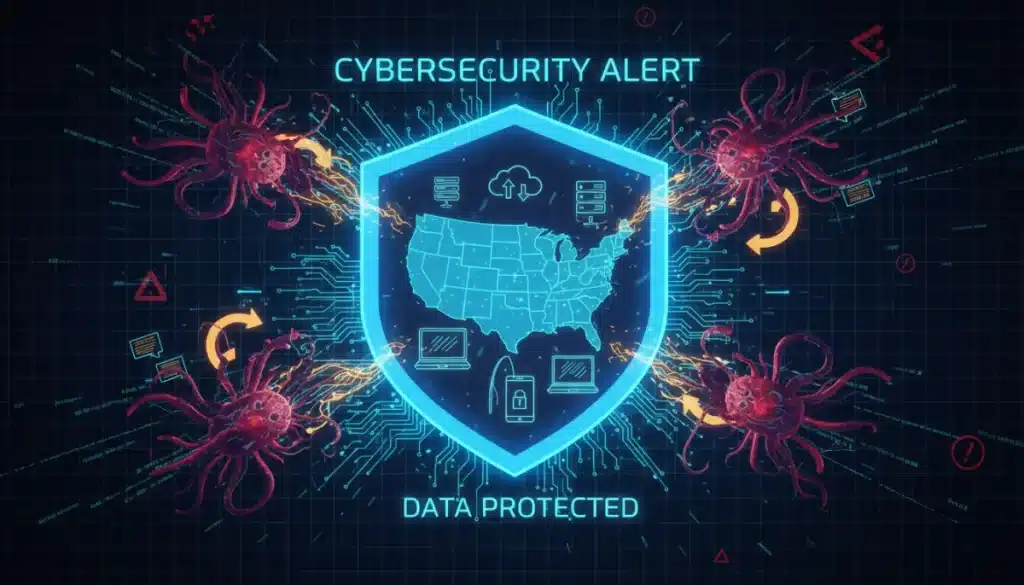
January 2026 brought forth significant cybersecurity alerts, detailing new, sophisticated threats to US data privacy that necessitate immediate attention and robust protective measures from individuals and organizations.
The digital landscape is constantly evolving, and with it, the threats to our personal and national security. In January 2026, a series of critical cybersecurity alerts: new threats to US data privacy identified in January 2026 have emerged, signaling a heightened need for vigilance and proactive defense strategies. These recent updates underscore the urgent requirement for both individuals and organizations to reassess and reinforce their digital defenses against increasingly sophisticated adversaries.
The Shifting Landscape of Cyber Threats in 2026
The beginning of 2026 has marked a significant shift in the tactics employed by cybercriminals and state-sponsored actors targeting US data. We are no longer dealing with simple phishing scams; the sophistication and scale of these attacks have reached unprecedented levels, demanding a more comprehensive and adaptive defense posture.
These new threats often leverage advanced AI and machine learning to bypass traditional security protocols. Understanding the nature of these evolving threats is the first step in building resilient cybersecurity frameworks.
Advanced Persistent Threats (APTs) Evolution
Advertisement
Advanced Persistent Threats (APTs) have always been a concern, but their evolution in 2026 presents a more insidious challenge. These groups are now employing highly customized malware and zero-day exploits with greater frequency, making detection and mitigation far more difficult. Their targets are often high-value intellectual property and critical infrastructure, posing a significant risk to national security and economic stability.
- Increased use of polymorphic malware to evade detection.
- Sophisticated social engineering campaigns tailored to specific targets.
- Longer dwell times within compromised networks, enabling deeper penetration.
- Focus on supply chain attacks to gain access to multiple organizations.
The Rise of Quantum-Resistant Cryptography Challenges
While not a direct threat in the traditional sense, the impending advent of quantum computing poses a significant challenge to current cryptographic standards. January 2026 alerts highlight the urgent need for organizations to begin migrating to quantum-resistant cryptographic algorithms. Failure to do so could render existing encrypted data vulnerable in the near future.
The transition is complex and requires significant planning and investment, but delaying it could have catastrophic consequences for data privacy and security. The time to act is now, preparing for a post-quantum cryptographic era.
In conclusion, the threat landscape of 2026 is characterized by its complexity and the advanced nature of its adversaries. Organizations must move beyond reactive measures and embrace proactive, adaptive security strategies to safeguard against these evolving dangers.
Emerging Data Privacy Vulnerabilities and Exploits
Beyond the general evolution of cyber threats, January 2026 has brought to light specific vulnerabilities that are being actively exploited, directly impacting US data privacy. These vulnerabilities range from newly discovered software flaws to weaknesses in how data is managed and accessed across interconnected systems.
Understanding these specific exploits is crucial for implementing targeted defenses and protecting sensitive information from unauthorized access and misuse. The focus has shifted to not just preventing breaches, but also minimizing the impact when they inevitably occur.
Vulnerabilities in IoT Devices
The proliferation of Internet of Things (IoT) devices in both consumer and industrial settings has created a vast new attack surface. Many IoT devices are deployed with insufficient security measures, making them easy targets for exploitation. Cybercriminals are leveraging these devices to create botnets, launch DDoS attacks, and even gain entry into larger, more secure networks, compromising personal and corporate data.
The alerts highlight a significant increase in IoT-based attacks, emphasizing the need for stronger regulatory frameworks and industry standards for device security. Consumers are also urged to take greater responsibility for securing their smart devices.
Supply Chain Attack Vectors Intensify
Supply chain attacks have become a preferred method for adversaries seeking to compromise multiple organizations through a single point of entry. In January 2026, several instances were reported where vulnerabilities in third-party software and hardware components led to widespread data breaches across various US sectors. These attacks are particularly challenging to defend against because they exploit trusted relationships within the supply chain.
- Compromised software updates spreading malware.
- Hardware tampering during manufacturing or delivery.
- Exploitation of weak security practices in smaller vendors.
The increasing sophistication of supply chain attacks underscores the importance of rigorous vendor risk management and continuous monitoring of all third-party integrations. Organizations must demand higher security standards from their partners to mitigate these risks effectively.
To summarize, the emerging vulnerabilities and exploits identified in early 2026 require a multi-faceted approach to security, focusing on device hardening, supply chain integrity, and proactive threat intelligence.
Impact on US Critical Infrastructure and Government Data
The cybersecurity alerts for January 2026 have specifically highlighted a concerning increase in targeted attacks against US critical infrastructure and government data. These sectors are prime targets due to the sensitive nature of the information they hold and their vital role in national security and public services. Breaches in these areas can have far-reaching consequences, extending beyond data loss to potential disruptions of essential services and national stability.
The implications are severe, demanding immediate and coordinated responses from federal agencies, private sector partners, and international allies.
Cyber-Physical System Exploitation
Attacks on cyber-physical systems (CPS), which integrate computing and physical processes, have shown a worrying uptick. These systems control everything from power grids to water treatment plants. Exploiting vulnerabilities in CPS could lead to real-world physical damage, service interruptions, and even loss of life. January’s alerts detailed new methods for gaining unauthorized access and manipulating these systems, posing an existential threat to public safety.
Protecting these systems requires a blend of IT and operational technology (OT) security expertise, along with robust incident response plans. The convergence of these technologies means that a cyber attack can now have direct physical consequences.
Espionage and Data Exfiltration Campaigns
Government agencies continue to be subjected to relentless espionage campaigns aimed at exfiltrating sensitive data, including classified information, research and development data, and personal records of government employees. The new threats identified in January 2026 reveal more stealthy and persistent methods for data exfiltration, often remaining undetected for extended periods.
These campaigns are typically state-sponsored, employing advanced techniques to bypass even the most stringent security measures. The goal is not just to steal data, but to gain strategic advantages and compromise national security. Continuous monitoring, threat hunting, and intelligence sharing are critical components of defense.
In conclusion, the heightened threat to critical infrastructure and government data necessitates a unified national cybersecurity strategy, emphasizing resilience, rapid response, and international cooperation to safeguard against these high-impact attacks.
Protecting Personal Data: Recommendations for Individuals
While large organizations and government entities face significant threats, individuals are also increasingly targeted. The cybersecurity alerts of January 2026 serve as a stark reminder that personal data privacy is under constant assault. Protecting your personal information requires proactive steps and a commitment to secure online practices. Ignorance is no longer bliss; awareness and action are your best defenses.
Empowering yourself with the right knowledge and tools can significantly reduce your risk exposure in this evolving digital environment.
Strengthening Authentication Methods
One of the simplest yet most effective ways to protect personal data is to use strong, unique passwords for all online accounts. Beyond that, the alerts emphasize the critical importance of enabling multi-factor authentication (MFA) wherever possible. MFA adds an extra layer of security, making it significantly harder for unauthorized users to access your accounts, even if they manage to steal your password.
It’s no longer enough to just have a good password; you need multiple layers of verification to truly secure your digital identity. Consider using a password manager to help create and store complex passwords securely.
Recognizing Advanced Phishing and Social Engineering
Phishing attacks have become far more sophisticated. The new threats identified in January 2026 include highly personalized phishing emails and messages that are difficult to distinguish from legitimate communications. These social engineering tactics are designed to trick you into revealing sensitive information or clicking malicious links. Vigilance and skepticism are your best tools against these deceptive schemes.
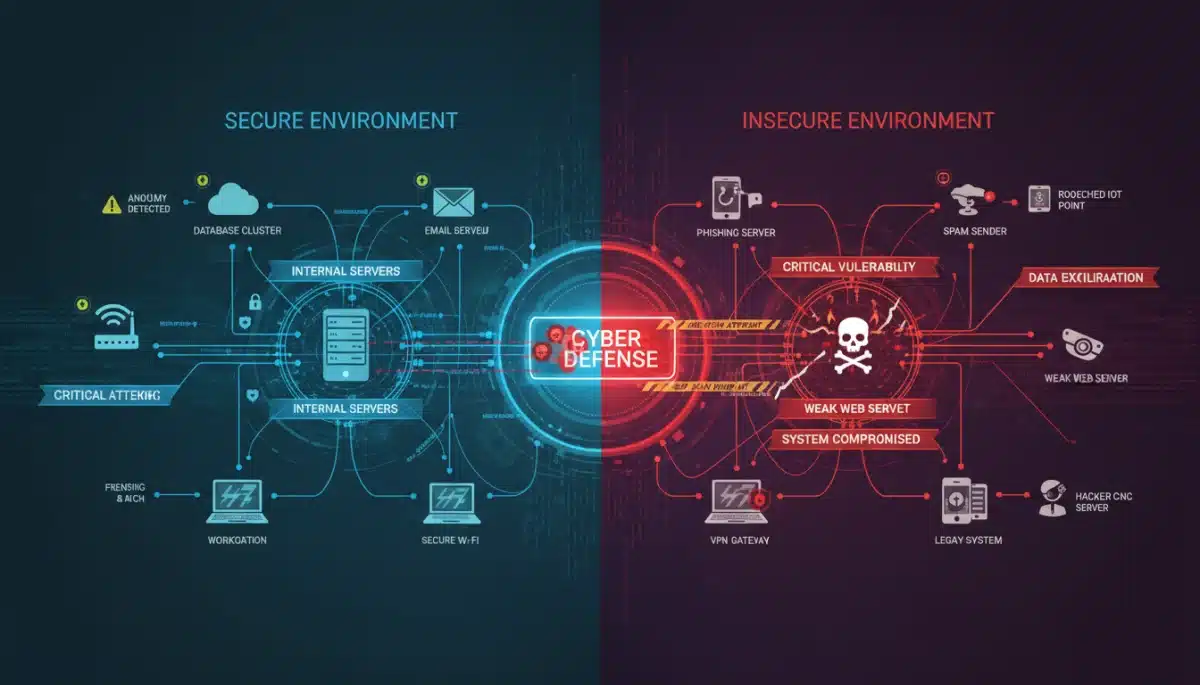
- Always verify the sender’s identity before clicking links or downloading attachments.
- Be wary of urgent or emotionally charged requests for information.
- Educate yourself on common phishing indicators, such as grammatical errors or unusual URLs.
Staying informed about the latest phishing techniques is vital. Never assume a communication is legitimate; always double-check, especially if it asks for personal or financial details.
In summary, individuals must adopt a proactive and informed approach to personal cybersecurity, focusing on strong authentication and an acute awareness of advanced social engineering tactics.
Corporate Strategies for Enhanced Data Protection
For businesses, the cybersecurity alerts of January 2026 necessitate a re-evaluation of existing data protection strategies. The financial and reputational costs of a data breach can be devastating, making robust corporate cybersecurity an imperative, not just an option. Organizations must move beyond basic compliance and cultivate a culture of security that permeates every level of their operations.
A comprehensive approach that integrates technology, policy, and employee education is essential to safeguarding corporate assets and customer trust.
Implementing Zero Trust Architectures
The traditional perimeter-based security model is increasingly ineffective against modern threats. The alerts strongly recommend implementing Zero Trust architectures, where no user or device is inherently trusted, regardless of their location within or outside the network. Every access request is authenticated, authorized, and continuously validated.
This approach significantly reduces the attack surface and limits the lateral movement of adversaries within a compromised network. It’s a fundamental shift in security philosophy that is becoming increasingly necessary.
Employee Training and Awareness Programs
Human error remains one of the weakest links in cybersecurity. Even the most advanced technical controls can be bypassed if employees are not adequately trained and aware of current threats. The January 2026 alerts emphasize the need for continuous, engaging, and up-to-date employee training programs that cover topics like phishing, social engineering, and secure data handling practices.
- Regular phishing simulations to test employee vigilance.
- Training on secure password practices and MFA usage.
- Education on recognizing and reporting suspicious activities.
- Clear guidelines for handling sensitive company and customer data.
Investing in employee cybersecurity education is an investment in the overall security posture of the organization. A well-informed workforce is a powerful defense against many common cyber attacks.
To conclude, corporate data protection in 2026 demands a proactive and layered strategy, integrating advanced technical solutions like Zero Trust with continuous employee education to build a resilient and secure environment.
Regulatory Responses and Future Outlook
In response to the escalating cybersecurity threats identified in January 2026, regulatory bodies and government agencies are actively working to update existing legislation and introduce new policies aimed at enhancing US data privacy and security. The goal is to create a more secure digital environment through stronger mandates, increased accountability, and improved information sharing across sectors.
These regulatory shifts will inevitably impact how businesses operate and how individuals’ data is protected, shaping the future of cybersecurity in the United States.
Proposed Federal Data Privacy Legislation
There is growing momentum for comprehensive federal data privacy legislation in the US, similar to GDPR in Europe. The January 2026 alerts have intensified discussions around a unified national standard for data collection, usage, and protection. Such legislation would aim to simplify the fragmented state-level privacy laws and provide clearer guidelines for businesses, while also granting individuals greater control over their personal data.
The proposed legislation is expected to include stricter penalties for non-compliance and new rights for consumers regarding their data, fundamentally reshaping the privacy landscape.
International Cooperation on Cyber Defense
Cyber threats do not respect national borders. The alerts underscore the critical importance of international cooperation in combating sophisticated cyber adversaries. The US is actively strengthening alliances with international partners to share threat intelligence, coordinate defensive measures, and pursue cybercriminals across jurisdictions.
Collaborative efforts are essential for developing a global response to cyber warfare and organized cybercrime. This includes joint exercises, intelligence sharing agreements, and harmonized legal frameworks to facilitate cross-border investigations and prosecutions.
In conclusion, the regulatory landscape is poised for significant changes in response to the evolving threat environment. These changes, coupled with enhanced international cooperation, aim to build a more resilient and secure digital future for the US and its citizens.
| Key Threat Area | Brief Description of Alert |
|---|---|
| Evolved APTs | Highly sophisticated, AI-driven attacks targeting sensitive data with polymorphic malware. |
| IoT Device Exploits | Increased vulnerabilities in smart devices used for botnets and network infiltration. |
| Critical Infrastructure | Targeted attacks on cyber-physical systems risking physical damage and service disruption. |
| Advanced Phishing | More personalized and deceptive social engineering campaigns targeting individuals. |
Frequently Asked Questions About 2026 Cybersecurity Threats
The most significant new threats include evolved Advanced Persistent Threats (APTs) leveraging AI, increased exploitation of IoT devices, sophisticated supply chain attacks, and targeted campaigns against critical infrastructure. These threats are characterized by their advanced techniques and broader impact potential.
Individuals should prioritize strengthening authentication with unique, complex passwords and enabling multi-factor authentication (MFA) on all accounts. Additionally, staying vigilant against advanced phishing and social engineering tactics by verifying senders and being wary of suspicious requests is crucial.
The alerts indicate a heightened risk to US critical infrastructure, with increased attacks on cyber-physical systems that could lead to physical damage or service disruptions. Government data is also under severe threat from sophisticated espionage and data exfiltration campaigns, demanding robust defense strategies.
Corporations are implementing Zero Trust architectures, where every access request is verified, and investing heavily in continuous employee training and awareness programs. These strategies aim to reduce the attack surface, limit lateral movement of threats, and empower employees as a strong line of defense.
Yes, there’s growing momentum for comprehensive federal data privacy legislation in the US to create unified standards. Furthermore, international cooperation on cyber defense is being strengthened to share threat intelligence and coordinate responses against cross-border cyber threats effectively.
Conclusion
The cybersecurity alerts issued in January 2026 paint a clear picture of an increasingly complex and dangerous digital landscape. The new threats to US data privacy demand a collective and coordinated response from individuals, corporations, and government entities. By understanding the evolving nature of these sophisticated attacks, implementing robust protective measures, and fostering a culture of cybersecurity awareness, we can collectively work towards a more secure digital future. Continuous vigilance, adaptive strategies, and proactive defense are not just recommendations but essential requirements for safeguarding our data and critical infrastructure in the years to come.
