US Manufacturers: 2026 Supply Chain Mandates & 8% Production Impact
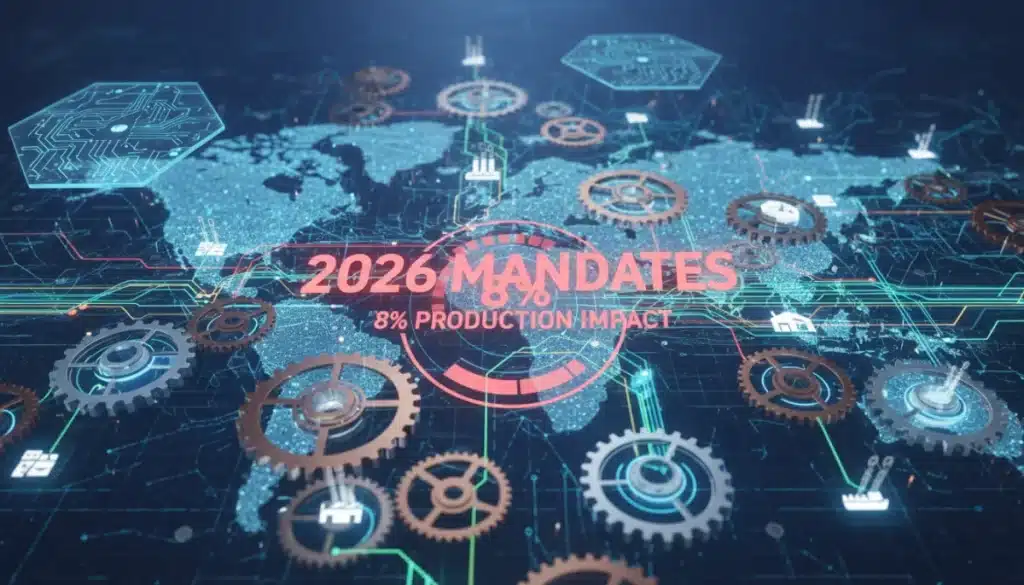
New US supply chain resiliency mandates in 2026 are set to reshape manufacturing operations, with an anticipated 8% impact on overall production.
The landscape of American manufacturing is on the cusp of a significant transformation. A critical update: how new supply chain resiliency mandates for US manufacturers in 2026 will affect production by 8%, is not merely a policy change but a fundamental shift demanding immediate attention. This impending regulatory framework aims to bolster the robustness of supply chains, ensuring they can withstand future disruptions, but it comes with tangible operational and financial implications for businesses across the nation.
Understanding the Genesis of New Supply Chain Mandates
The push for enhanced supply chain resiliency in the United States did not emerge in a vacuum. Recent global events, including pandemics, geopolitical tensions, and natural disasters, exposed profound vulnerabilities within established manufacturing and distribution networks. These disruptions led to widespread shortages, production halts, and significant economic losses, prompting a decisive governmental response.
Policymakers recognized the urgent need to fortify domestic supply chains, not just for economic stability but also for national security. The goal is to reduce reliance on single-source suppliers, especially from regions prone to instability, and to foster greater transparency and agility in the flow of goods and materials.
Historical Context and Drivers
The lessons learned from the past few years have been instrumental in shaping these mandates. Manufacturers experienced firsthand the cascading effects of unforeseen events, from semiconductor shortages crippling the automotive industry to medical supply scarcities during health crises. This collective experience underscored the necessity for a more resilient, adaptable, and secure supply chain ecosystem.
- Global pandemic disruptions highlighting critical dependencies.
- Geopolitical shifts impacting international trade routes and partnerships.
- Increased frequency and intensity of climate-related events.
- Technological advancements creating new points of vulnerability and opportunity.
Advertisement
The new mandates are designed to address these systemic weaknesses head-on. They represent a proactive approach to prevent future crises from paralyzing key sectors of the US economy, ensuring that essential goods and components remain available, and production can continue even in challenging circumstances. This shift reflects a broader national strategy to re-shore critical manufacturing capabilities and diversify sourcing strategies.
Key Components of the 2026 Resiliency Mandates
The upcoming 2026 mandates are comprehensive, targeting various facets of supply chain operations. They introduce new requirements that US manufacturers must integrate into their strategic planning and day-to-day activities. Understanding these core components is the first step toward effective compliance and minimizing potential disruptions to production schedules.
These mandates typically focus on areas such as risk assessment, diversification of suppliers, enhanced data sharing, and investment in domestic capabilities. The specifics are still being finalized in some areas, but the overarching themes emphasize preparedness and proactive management of potential vulnerabilities.
Mandatory Risk Assessment and Reporting
A central pillar of the new regulations is the requirement for manufacturers to conduct thorough risk assessments of their supply chains. This involves identifying potential points of failure, evaluating the likelihood and impact of various disruptions, and developing mitigation strategies. Companies will likely need to submit regular reports detailing their risk profiles and proposed resiliency plans.
- Identifying single points of failure in the supply chain.
- Assessing geopolitical and environmental risks to critical inputs.
- Developing contingency plans for various disruption scenarios.
- Establishing clear reporting mechanisms for supply chain vulnerabilities.
Beyond risk assessment, the mandates will also likely push for greater transparency throughout the supply chain. This means knowing not just your direct suppliers, but also their suppliers, and so forth, to identify hidden dependencies. This deeper visibility is crucial for truly understanding and managing the complex web of modern manufacturing.
Anticipated 8% Production Impact: What It Means for Manufacturers
The projection of an 8% impact on production is a significant figure that demands careful consideration. This percentage is not merely a hypothetical number; it represents a tangible shift that manufacturers must prepare for. This impact could manifest in various ways, from increased operational costs and longer lead times to a necessary re-evaluation of current production models.
The 8% figure encapsulates the combined effects of new compliance costs, investment in alternative sourcing, potential retooling for domestic production, and the learning curve associated with new regulatory frameworks. It signifies a period of adjustment where efficiency might temporarily decrease as companies adapt to more resilient, albeit potentially more expensive, operational structures.
Operational and Financial Implications
Manufacturers will face direct and indirect financial pressures. Direct costs may include investments in new technology for supply chain visibility, auditing fees for compliance, and potentially higher prices for diversified or domestically sourced materials. Indirect costs could arise from reduced production efficiency during the transition period or increased administrative burdens.
- Increased capital expenditure for technology and infrastructure upgrades.
- Higher operational costs due to diversified sourcing and potential domestic production.
- Temporary decrease in production efficiency during adaptation phases.
- Need for new talent and expertise in supply chain risk management.
This 8% impact is a critical metric for strategic planning. Businesses will need to conduct thorough cost-benefit analyses, weigh the long-term benefits of enhanced resiliency against the short-term costs, and explore innovative solutions to mitigate the financial strain. The goal is to absorb these changes while maintaining competitiveness and market share.
Strategies for Mitigating Production Impact and Ensuring Compliance
Navigating the new mandates effectively requires a proactive and multifaceted approach. Manufacturers cannot afford to wait until 2026 to begin implementing changes. Developing robust strategies now will be crucial for mitigating the projected 8% production impact and ensuring seamless compliance with the new regulations.
These strategies should encompass technological adoption, strategic partnerships, workforce development, and a continuous improvement mindset. The aim is not just to meet the minimum requirements but to leverage these mandates as an opportunity to build stronger, more competitive supply chains.
Proactive Adaptation Measures
Investing in advanced supply chain management software can provide the necessary visibility and analytical capabilities to identify risks and optimize operations. Furthermore, exploring new domestic and near-shoring partnerships can help diversify sourcing and reduce reliance on distant, potentially unstable, supply lines. Training existing staff and hiring new talent with expertise in supply chain resilience will also be essential.
- Implementing advanced supply chain visibility and analytics tools.
- Diversifying supplier networks, prioritizing domestic and near-shore options.
- Investing in workforce training for risk management and new technologies.
- Establishing collaborative relationships with government agencies and industry peers.
The key to successful adaptation lies in integrating these strategies into the core business model. Resiliency should become an inherent part of operational planning, rather than an afterthought. This holistic approach will not only ensure compliance but also position manufacturers for long-term stability and growth in an increasingly unpredictable global environment.
The Role of Technology in Supply Chain Resiliency
Technology will play an indispensable role in helping US manufacturers meet the 2026 supply chain resiliency mandates. From artificial intelligence and blockchain to advanced analytics and the Internet of Things (IoT), technological innovations offer powerful tools to enhance visibility, predict disruptions, and automate responses, thereby mitigating the 8% production impact.
The adoption of these technologies is not just about compliance; it’s about building smarter, more agile supply chains that can react in real-time to unforeseen challenges. Digital transformation becomes a strategic imperative, enabling manufacturers to move beyond traditional reactive measures to proactive risk management.
Leveraging Digital Solutions for Enhanced Resilience
AI-powered predictive analytics can forecast potential disruptions by analyzing vast datasets, from weather patterns to geopolitical shifts. Blockchain technology can provide immutable records of transactions and material origins, significantly enhancing transparency and traceability. IoT sensors can monitor inventory levels, equipment health, and environmental conditions in real-time, preventing bottlenecks before they occur.
- Utilizing AI for predictive analytics and demand forecasting.
- Implementing blockchain for enhanced traceability and transparency.
- Deploying IoT devices for real-time monitoring of assets and processes.
- Adopting cloud-based platforms for collaborative supply chain management.
Embracing these technological advancements will allow manufacturers to not only comply with the new mandates but also gain a competitive edge. By creating a data-driven, interconnected supply chain, businesses can optimize operations, reduce waste, and respond more effectively to market fluctuations, ultimately turning regulatory challenges into opportunities for innovation.
Long-Term Benefits of Enhanced Supply Chain Resilience
While the immediate focus is on navigating the 2026 mandates and their projected 8% production impact, it is crucial for US manufacturers to recognize the significant long-term benefits that enhanced supply chain resilience will bring. These benefits extend far beyond mere compliance, fostering a more stable, competitive, and sustainable manufacturing sector.
A resilient supply chain is a strategic asset, providing a robust foundation for future growth and innovation. It minimizes the economic fallout from disruptions, protects brand reputation, and strengthens customer trust, all of which contribute to sustained business success.
Beyond Compliance: Strategic Advantages
One of the primary long-term advantages is reduced vulnerability to global shocks. By diversifying sources and building redundancies, manufacturers can ensure continuous operation even when faced with unexpected events. This translates into greater operational stability and reduced financial risk. Moreover, a more transparent supply chain can lead to improved product quality and ethical sourcing, enhancing brand value.
- Increased operational stability and reduced exposure to global disruptions.
- Enhanced brand reputation and stronger customer loyalty.
- Greater agility and responsiveness to market changes.
- Potential for innovation through new partnerships and technological adoption.
Ultimately, the investment in supply chain resilience mandated by 2026 will transform US manufacturing into a more robust and adaptable industry. It will create a foundation for sustained economic growth, national security, and a competitive edge in the global marketplace, proving that challenges can indeed be catalysts for profound and positive change.
| Key Aspect | Brief Description |
|---|---|
| Mandate Origin | Driven by recent global disruptions exposing supply chain vulnerabilities. |
| Production Impact | Anticipated 8% shift due to compliance costs and operational adjustments. |
| Key Requirements | Risk assessment, supplier diversification, enhanced transparency. |
| Mitigation Strategies | Technology adoption, strategic partnerships, workforce development. |
Frequently Asked Questions About 2026 Supply Chain Mandates
The main goals are to enhance the resilience of US supply chains against disruptions, reduce reliance on single-source suppliers, increase transparency, and ensure the continuous availability of critical goods and components for economic stability and national security.
The 8% production impact is expected to manifest through increased operational costs, investments in new technologies and infrastructure, potential retooling, and temporary inefficiencies as companies adapt to new compliance requirements and diversified sourcing strategies.
Manufacturers should proactively conduct thorough supply chain risk assessments, explore diversified sourcing options (especially domestic), invest in supply chain visibility technology, and begin training their workforce on new compliance protocols and resilience strategies.
Absolutely. Technologies like AI for predictive analytics, blockchain for transparency, and IoT for real-time monitoring can significantly streamline compliance efforts, automate risk identification, and provide the data necessary to meet reporting requirements efficiently.
Beyond compliance, manufacturers can expect greater operational stability, reduced vulnerability to global shocks, enhanced brand reputation, stronger customer trust, and increased agility to respond to market changes, fostering sustained growth and competitiveness.
Conclusion
The forthcoming 2026 supply chain resiliency mandates represent a pivotal moment for US manufacturers. While the projected 8% production impact presents immediate challenges and necessitates significant strategic adjustments, it also underscores a critical opportunity for industry-wide transformation. By embracing proactive planning, leveraging technological advancements, and fostering robust partnerships, manufacturers can not only navigate these new regulations successfully but also emerge with more resilient, efficient, and competitive supply chains, ultimately securing a stronger future for American manufacturing.
